Construction Law
Building Beyond the Boom: Alberta’s Construction and Real Estate Outlook
August 11, 2026
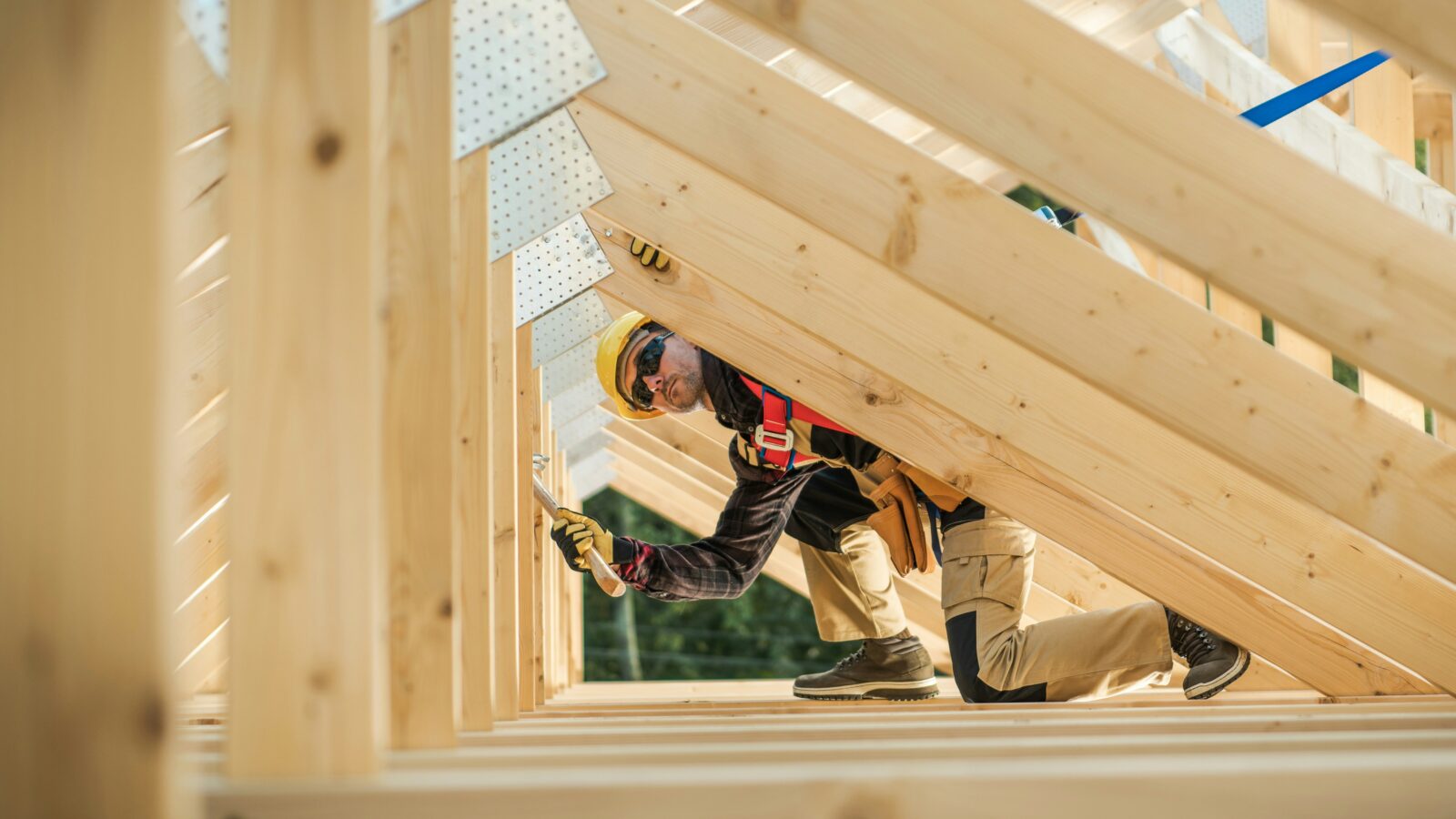
Alberta’s construction sector is entering a decade shaped by two distinct trends. Residential building activity is expected to ease from recent highs, while non-residential construction is forecast to expand across much of the province.
According to BuildForce Canada’s 2026 to 2035 outlook, overall construction activity is expected to rise as growth in engineering, commercial, industrial, and institutional projects offsets moderating residential demand.
For developers, investors, property owners, contractors, and lenders, this changing construction environment may affect more than the number of projects underway. It may also influence land acquisition, development agreements, financing arrangements, project schedules, leasing strategies, and the allocation of construction-related risks.
Residential Construction Is Coming Down From a High Point
Residential construction investment in Alberta has risen notably since 2023, supported by strong new-housing activity. The report forecasts that investment will peak in 2026 before declining in the near term as slower population growth reduces demand for new housing.
Housing starts are projected to contract into the early 2030s before returning to growth near the end of the forecast period. Renovation activity, however, is expected to continue rising. Residential construction employment is projected to be 16% lower in 2035 than in 2025, with the decline concentrated in new housing rather than renovation work.
This moderation does not necessarily mean that residential development will stop. It may instead create a more selective environment in which location, project type, financing, absorption timelines, and construction costs receive greater scrutiny.
A Changing Market for Residential Development
When housing markets move away from peak construction levels, developers may revisit the assumptions supporting proposed projects. Presale activity, projected completion dates, expected demand, interest costs, and municipal approval timelines can all affect whether a development proceeds as initially planned.
Projects that were financially viable during a period of rapidly increasing demand may require updated feasibility assessments. Developers may consider changes to unit mix, density, phasing, amenities, or the timing of construction. Some sites may also be repositioned for rental housing, mixed-use development, renovation, or redevelopment.
These changes can have legal and contractual implications. Amendments to purchase agreements, joint venture arrangements, financing documents, development management agreements, and construction contracts may be required when the scope or schedule of a project changes.
Renovation and Redevelopment May Gain Attention
The report anticipates continued growth in residential renovation activity, even as new-housing construction moderates. This may create opportunities involving older homes, multifamily properties, infill sites, condominium buildings, and properties requiring significant upgrades.
Renovation and redevelopment projects often present issues that differ from new construction. Existing structures may contain concealed defects, outdated building systems, hazardous materials, unregistered improvements, or departures from current municipal requirements.
Property owners may also need to consider condominium bylaws, restrictive covenants, easements, encroachments, development permits, building permits, and neighbouring property rights. Clearly defining the scope of work and responsibility for unexpected site conditions can be particularly important when renovating an existing structure.
Non-Residential Construction Is Expected to Lead Growth
In contrast to the residential outlook, non-residential construction investment is expected to rise almost continuously through 2035. Both engineering projects and industrial, commercial, and institutional buildings are projected to contribute to that growth.
Major investments in oil and gas, utilities, transportation infrastructure, healthcare, education, entertainment, and manufacturing are expected to support activity. The report identifies projects such as Calgary and Edmonton light rail transit, the Yellowhead Mainline Natural Gas Pipeline, Scotia Place, the Calgary Arts Commons transformation, the Red Deer Regional Hospital expansion, and Alberta’s School Construction Accelerator Program.
By 2035, non-residential construction employment is projected to be 15% higher than in 2025. Employment connected to industrial, commercial, and institutional buildings is forecast to rise by 31%, while engineering construction employment is expected to increase by 10%.
Opportunities Around Major Infrastructure Projects
Large infrastructure and institutional projects can create real estate activity beyond the construction site itself. Transportation investments may encourage nearby residential or commercial development, while hospitals, schools, and public facilities can support demand for housing, services, office space, retail, and industrial properties.
Developers considering land near major projects may examine zoning, future land-use plans, access, servicing capacity, environmental conditions, and the likelihood of surrounding redevelopment. The timing of public infrastructure can also affect when a private development becomes practical.
However, anticipated infrastructure should not be treated as guaranteed. Project schedules, public funding, procurement processes, regulatory approvals, and changing government priorities may affect whether a project proceeds and when it becomes operational.
Labour Demand Could Affect Costs and Timelines
Construction growth is expected to create substantial workforce requirements. BuildForce Canada projects that Alberta’s construction labour force will need to add approximately 48,800 workers by 2035, largely because an estimated 43,700 workers are expected to retire.
Although the sector is projected to recruit approximately 43,500 first-time local entrants, the report indicates that Alberta could still face a shortage of as many as 5,300 construction workers by the end of the forecast period.
Labour availability can affect project pricing, subcontractor capacity, completion dates, and the ability to correct deficiencies promptly. During periods of elevated demand, owners and developers may encounter longer procurement periods or greater competition for qualified contractors and trades.
Construction Contracts May Require Careful Risk Allocation
A changing labour and cost environment can make contract terms especially significant. Construction agreements may address pricing models, payment schedules, changes in work, delay, labour shortages, material availability, insurance, warranties, lien holdbacks, dispute resolution, and termination rights.
Fixed-price contracts may provide greater initial cost certainty, but contractors may price additional risk into their bids. Cost-plus arrangements can offer flexibility where the scope is uncertain, although they may expose the owner to greater cost variation.
Regardless of the pricing structure, the agreement should clearly identify the work to be performed, the applicable drawings and specifications, the process for approving changes, and the documentation required before payment. Ambiguities at the outset can become more consequential when a project is under schedule or budget pressure.
Due Diligence Extends Beyond the Purchase Price
As construction expands into new areas and property types, buyers and investors may need to conduct due diligence that extends beyond reviewing title and negotiating price.
Depending on the transaction, the review may include land-use designation, zoning, permitted uses, development restrictions, off-site levies, servicing obligations, environmental conditions, access rights, utility easements, restrictive covenants, existing leases, and municipal compliance.
For properties intended for redevelopment, physical and regulatory investigations may be especially important. A property’s location may appear attractive, but development potential can depend on matters that are not immediately visible during a site visit.
Commercial Leasing May Follow Construction Growth
Growth in commercial and institutional construction may also affect Alberta’s leasing market. New office, retail, industrial, medical, and mixed-use developments can create opportunities for both landlords and tenants.
Tenants entering premises that are still under construction may negotiate provisions concerning delivery conditions, fixturing periods, tenant improvements, construction allowances, opening dates, operating costs, signage, parking, and delays. The lease may also need to address what happens if the premises are not delivered by the anticipated date.
Landlords may need to coordinate base-building work with tenant improvements and ensure that construction obligations are consistent across the lease, development agreement, financing documents, and contractor arrangements.
Financing Conditions Remain Central to Project Planning
The strength of construction activity does not remove financing risk. Interest rates, lender requirements, appraisal values, construction costs, leasing commitments, presales, and project timing can all influence whether financing is available and on what terms.
Construction loans commonly involve conditions tied to equity contributions, cost consultants, progress advances, lien searches, insurance, permits, presales, leasing thresholds, and completion milestones. Delays or cost overruns may affect the borrower’s ability to satisfy those conditions.
Where a project involves multiple investors, the governing agreements may also address additional capital calls, dilution, guarantees, decision-making authority, default remedies, and exit rights. These provisions can become particularly important if market conditions change during development.
Planning for a Decade of Uneven Growth
Alberta’s construction outlook is not simply a story of growth or contraction. It points to a market in which non-residential activity expands, residential construction moderates from elevated levels, renovation demand rises, and labour capacity remains a continuing concern.
Real estate participants may respond by adjusting project timelines, reassessing development assumptions, strengthening due diligence, and reviewing how contracts allocate cost and delay risks.
The projects that move forward between now and 2035 will vary widely in size and purpose. Their legal structures will also differ, but clear documentation and early consideration of property, construction, leasing, and financing issues can help participants understand their respective obligations before work begins.
Building or Investing in Alberta Real Estate? Contact DBB Law in Calgary
The real estate lawyers at DBB Law can assist developers, commercial property owners, investors, lenders, landlords, tenants, and contractors with matters arising throughout the life cycle of a construction or development project.
We advise clients on commercial and residential real estate transactions, land purchases, development agreements, construction contracts, financing documents, commercial leases, title matters, due diligence, and property-related disputes. Contact our office online or call 403-265-7777 to discuss a proposed development, construction project, acquisition, sale, financing arrangement, or commercial leasing matter in Calgary, Edmonton, Red Deer, or elsewhere in Alberta.